 0
0
 0
0
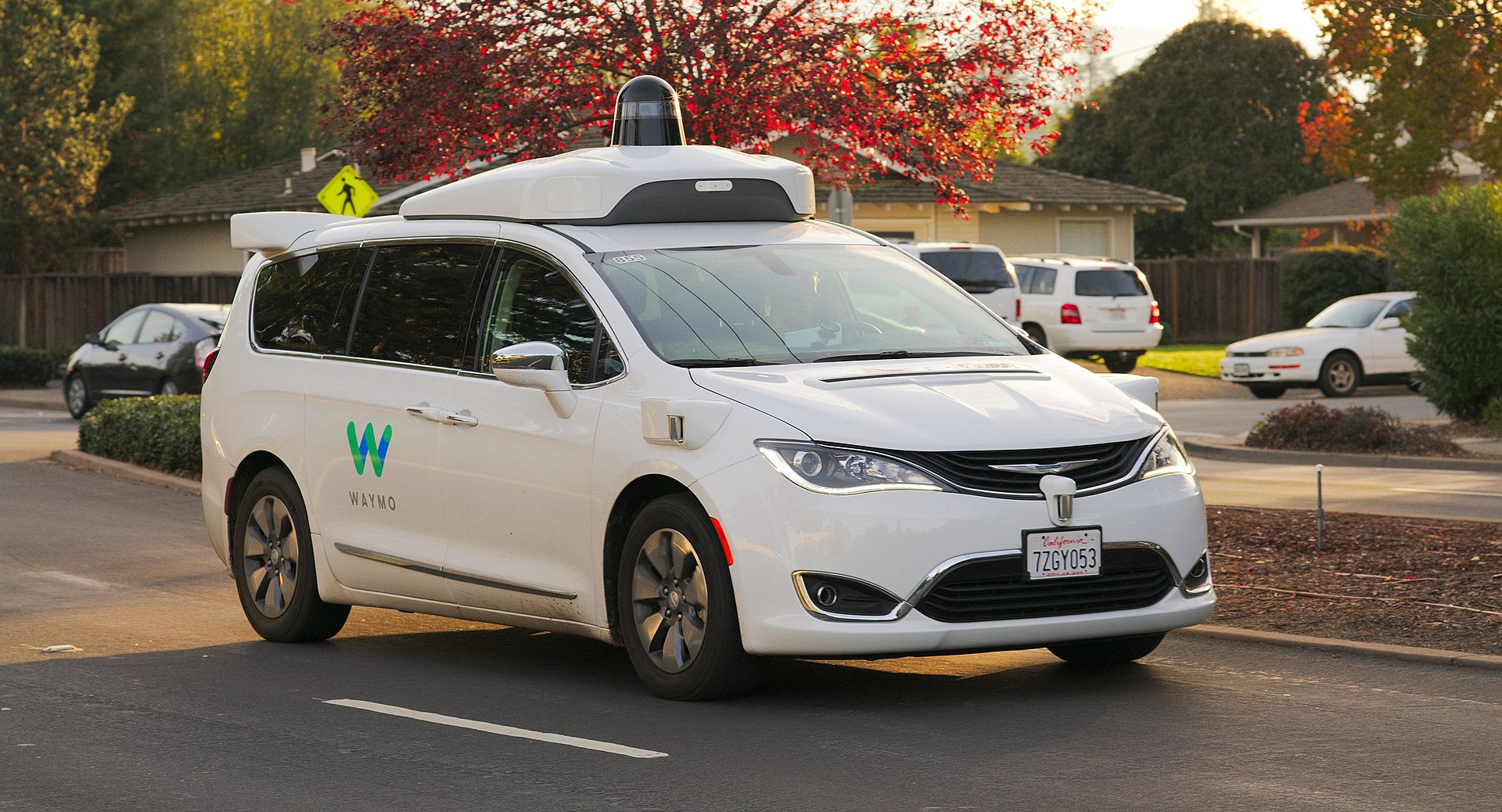
How Driverless Cars Will Change Our World
Exercise
A. The following words have two different meanings.
Match each word with the meaning used in the context of the text above.
a. glare – ii. an intense blinding light
b. curb – i. a stone edging to a pavement or raised path
c. hail – i. to call somebody in order to attract their attention
d. commute – ii. to travel regularly between workplace and home
e. serene – i. calm and peaceful
f. liability – ii. the state of being legally responsible for something
g. deploy – ii. to use something effectively
h. autonomous – i. a vehicle that has the technology to drive itself
i. perception – ii. the ability to understand the true nature of something
B. Choose the correct alternatives to complete the sentences below.
a. One of the features of automated cars is that…..
i. they wait for the passengers.
ii. they approach slowly.
iii. They have their own voice to welcome people into them….
b. Driverless technology is being widely used particularly in …..
i. the USA
ii. the UK
iii. the UAE…
c. The positive impact of such technology on the environment is …..
i. it prevents road accidents.
ii. it paves the way to sustainable life.
ii. it reduces carbon production….
d. One of the problems with driverless technology is that …..
i. it cannot deal with traffic system.
ii. it cannot deal with human drivers.
iii. it cannot cope with other cars….
e. One of the biggest challenges of automated cars is …..
i. its safety from the human environment
ii. human safety from it
iii. its durability in the human environment…
f. The automated technology developed so far is …..
i. completely trustworthy
ii. partly trustworthy
iii. not trustworthy at all…
C. Answer the following questions.
a. Mention any three features of the driverless car.
Ans: Three features of the driverless car mentioned in the text are:
i. It can sense the surrounding environment through sensors and cameras.
ii. It can make decisions on its own based on the data it collects.
iii. It can communicate with other vehicles and infrastructure to optimize driving.
b. Describe the benefits of driverless technology.
Ans: Driverless technology has several benefits, including reducing accidents caused by human error, improving traffic flow and reducing congestion, and making transportation accessible to people who cannot or should not drive themselves. In addition, driverless cars have the potential to reduce carbon emissions and fuel consumption. They can also increase productivity by allowing people to work, read, or relax during their commutes. Overall, driverless technology has the potential to revolutionize transportation and improve our daily lives.
c. What, according to Camilla Fowler, is the special advantage of automated vehicles?
Ans: According to Camilla Fowler, the special advantage of automated vehicles is that they have the potential to reduce the number of deaths and injuries caused by road accidents.
d. What are the problems with driverless vehicles in David Hynd’s view?
Ans: In David Hynd’s view, the problems with driverless vehicles include:
– The technology is not yet advanced enough to handle all situations, such as adverse weather conditions or unexpected obstacles.
– There is a lack of public trust in the technology, which may lead to resistance to its implementation.
– The potential for job loss in the transportation industry.
e. What are scientists doing to make driverless technology safer?
Ans: Scientists are working to make driverless technology safer by improving the sensors and algorithms used by the vehicles, as well as conducting extensive testing to ensure their reliability and safety.
f. Do you think driverless technology is safer than human-controlled driving? Why?
Ans: The safety of driverless technology compared to human-controlled driving is a topic of debate. While the technology has the potential to reduce accidents caused by human error, it is not foolproof and can still encounter unexpected situations that it may need help to handle. Additionally, public trust in the technology is still developing, and until widespread adoption occurs, it may be difficult to determine its overall safety compared to human-controlled driving.
D. Think of any three other areas where artificial intelligence (Al) has been used. What are the benefits of using Al in these areas? Share your ideas with the class.
Ans: Three other areas where artificial intelligence (AI) has been used:
Healthcare: AI has been used in healthcare for diagnosing diseases, predicting patient outcomes, and recommending treatments. AI-powered tools can analyze vast amounts of medical data and assist doctors in making more accurate and informed decisions.
Education: AI has been used in education for personalized learning, intelligent tutoring systems, and student assessment. AI-powered tools can analyze student data and provide customized learning experiences to meet individual needs. This can help improve student performance and engagement in the classroom.
Finance: AI has been used in finance for fraud detection, credit scoring, and investment analysis. AI algorithms can analyze large amounts of financial data and identify patterns that humans might miss. This can help financial institutions make more informed decisions and reduce risks.
Grammar I
A. Match the following statements with the correct reported speech and notice how the statements are changed.
a. Khushi said, “I go to school every day by bus.”- Khusi said that she went to school every day by bus.
b. Karma said to me, “1 am sorry for coming late.” – Karma apologised for coming late.
c. Susan says, “I will leave for Bhanu next week.”- Susan says that she will eave for Bhanu the following.
d. Tshering said, ” I will surely meet you this Saturday.” – Tshering promised me to meet that Saturday.
e. “The bus leaves at six,” said the agent.- The agent informed us that the bus left at six.
f. “I have already finished my project work,” said She.- She said that she had alreadv finished her project work.
g. “I work from home these days,” , said Yanjal.- Yanjal said that he worked from house those days.
B. Complete the following sentences with the correct reporting verbs.
[advised, admitted, warned, offered, thanked, agreed, informed, agreed, apologised, promised]
a. “I broke the mirror.”
= He admitted that he had broken the mirror.
b. “I’d go and see a doctor if I were you.
=” Pemba advised me to see a doctor.
c. “I will send you out if you make a noise again,” said the librarian.
=The librarian warned me not to make a noise again.
d. “I can come and help you plant rice,” said Raman.
= Raman offered to help me plant rice.
e. “The classes start from next week,” said the assistant.
= The assistant informed us that the classes start from the following week.
f. Sonam said to me, “Thank you so much for your help.”
= Sonam thanked me for my help.
g. “OK, I will return your money by Saturday,” said Prakriti.
= Prakriti promised to return my money by Saturday.
h. “I will really work hard and score good grades,” said Anupam.
= Anupam agreed to work hard and get good grades.
i. “I am sorry for coming late,” said the speaker.
= The speaker apologised for coming late.


Average Rating