 0
0
 0
0
Summary
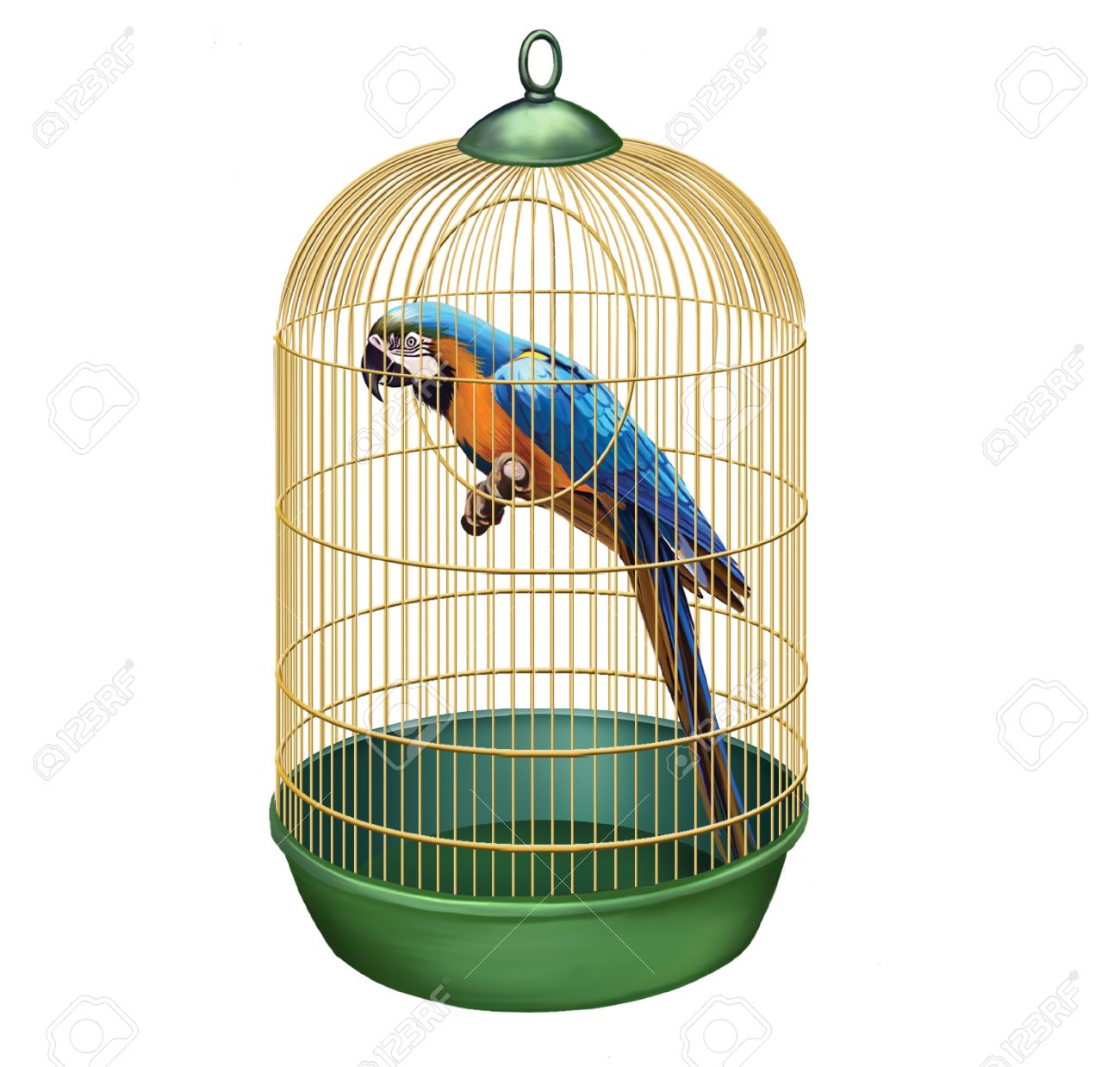
This poem is written by Lekhanath Paudel (1884-1965) and Mahakavi Laxmi Prasad Devkota translated “Pinjarako Suga” into English as “The parrot in the Cage”. This is a satirical poem which satires to Rana regime. The critics have taken the bird as a symbol of human soul and the cage as a symbol of Rana Regime. The parrot’s master is the symbol of Rana ruler. The poem indirectly revels that Nepali citizens’ freedom is trapped in the “cage” of Rana Regime.
This poem is in monologue in which the parrot laments his life inside the cage, shares his story of pain and separation from his dear ones. He finds neither peace nor rest in the cage. The parrot’s parents and relatives are in the jungle which is his real home. But from the cage, he can not express his pain to them. He says that he weeps so much that his eyes swell and tears roll down. He feels himself as a corpse (a dead body) and his spirit flies away. When he remembers his pleasure in the jungle, he becomes mad and jumps with pleasure. He is a forest wanderer who used to fly and wander around the forest eating wild fruits. But now fate has tricked him into the cage. He is deprived of cool water, shades and delicious wild fruits. Now all those things are vanished and they have become like dream. Only fear is in his mind. He thinks that his parents might have been longing for him and they might have tears in their eyes. His parents might have been beating their breast because he is separated from them. He doesn’t find any way to escape from the cage because he sees only enemies all around the cage. He finds no one to believe in. he is in confusion thinking what he shall do and whom to express his plight (trouble).
He thinks that once the whole blue sky used to be a field of his flight but now he is staying inside a narrow iron cage. He desires to fly away by breaking the cage and but his beak is blunt now. His feet and wings are cramped and he has felt a sense of defeat. He feels both cold and heat and sits alone silently. When he remembers his beautiful past days, he passes his days madly. He weeps and his heart breaks. He says that he wants to die but without death’s call, no one can die. He is given stinted measure of third class rice and devoid (lack) of water. Even when his throat is dry, he is compelled to prate. If he refuses to prate, his master threatens catching cane. He is forced to respond to the callers. He curses the god for giving
him the power of speech because it is the reason of his grief. Finally, the parrot tells how the human race is hostile (unfriendly) and how there is exploitation of one’s talent. He strongly prays to god not to let anyone have the life of parrot until how long the men are on the earth.
Questions:
1. Who is the speaker of the poem? Why does he call himself “A twice born child”?
Ans: The bird (caged parrot) is the speaker of the poem. In the poem, the parrot calls himself “a twice born child”. First, the parrot was born naturally by his parents in the forest and secondly human beings give the parrot second birth by putting him in the cage. His first birth was very happy and romantic because he had freedom and all kinds of rights. When he is kept in the cage his life of second birth begins. He is compelled to take the caged life as a second birth in that sense since his all rights are restricted and he doesn’t have freedom. He is living the life of hell.
In this way, the parrot calls himself “a twice born child” because he experiences two types of lives. His life before being put in the cage is the first life of his first birth. His life after being put in the cage is the second life of his second birth.
2. How does the speaker move between concept of freedom and bondage in the poem?.
Ans: The speaker (here parrot) moves very tactfully and intelligently from the concept of freedom to bondage in the poem. Before entering into cage, the speaker had freedom and after being put in the cage, he has bondage. At the beginning of the poem, the speaker explains how free he was in the forest. He flew here and there freely. He ate delicious fruits, drank cold water, and roamed (travel) to different countries as he wished. He was passing the days happily with his parents. He was living the life of heaven.
The speaker’s life of bondage begins when he is put in the cage. He explains the difficulties and challenges of life of bondage. The speaker is eating a stinted (small amount) measure of third class rice and drinking a little water. He is compelled to prate (talk) even his throat is dry. He wants to be free from the caged life but can do nothing since he sees only enemies around the cage. He says that his all rights are restricted and his worthy is exploited. These all activities are related to the life of bondage. In this way, the speaker moves very gradually, tactfully and intelligently between concepts of freedom and bondage in the poem.
3. How do you evaluate human sensibility towards the non-human in the poem?
Ans: The poem “Parrot in the Cage” explains the selfish motive of human beings towards the non- human. Human sensibility means awareness of and responsiveness toward something. But in the poem, people are neither aware nor responsible towards the rights of birds. They use the animals and birds for their entertainment. We have seen many people keeping the animals like parrot, dog, cat, rabbit etc. for the entertainment. People don’t care about the animals what they desire. In the poem, the parrot is caged in the cage by human beings. It has been kept for entertainment. In the poem, instead of providing human sensibility to the parrot, it has been given a stinted measure of third class rice and devoid of water. Although parrot’s throat is dry, it is compelled to prate. If it refuses to prate, it is threaten and beaten with a cane by its master. In this way we can say that human beings have not shown human sensibility towards non- human in the poem.



Average Rating